Mold Testing Across East Tennessee
Measured answers about what’s in the indoor air
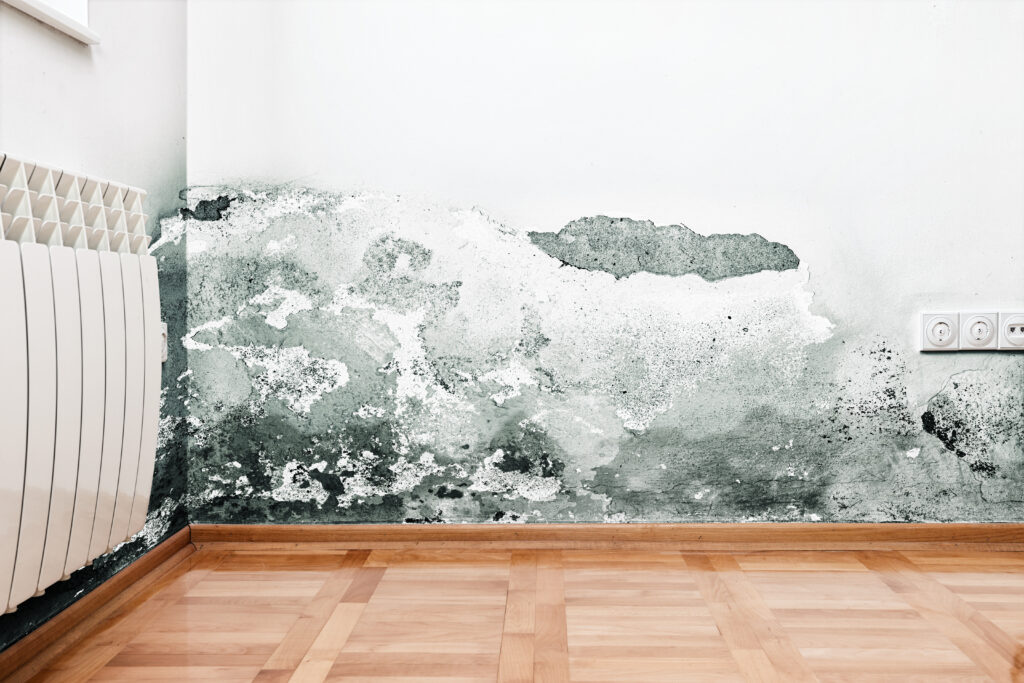
East Tennessee’s climate quietly favors mold year-round. Humid summers push indoor moisture levels higher than homeowners often realize. Mild, damp winters keep conditions below the surface active, not dormant. Crawlspaces common across the region trap moisture against structural framing. Basement homes draw humidity through foundation walls. HVAC systems manage significant moisture loads and occasionally create conditions that support biological growth. When conditions line up, mold doesn’t announce itself with dramatic visible damage. It starts in locations occupants don’t routinely see and gradually affects indoor air quality long before anyone connects it to a health concern or property issue. Mold testing translates this invisible condition into documented findings based on actual air and surface sampling.
TEK Inspections performs mold testing throughout Knoxville, Oak Ridge, Oneida, Crossville, LaFollette, Maryville, and Jefferson City. Our home inspectors combine field knowledge of how East Tennessee buildings handle moisture with proper sampling protocols and accredited laboratory analysis. Whether the testing is ordered during a real estate transaction, prompted by a suspected leak or water event, driven by occupant health concerns, or part of a periodic check on a property with known moisture history, we approach the work with the specificity the decisions depending on the results actually require.
About Mold Testing
Mold testing is a structured process that combines visual evaluation of a property with professional sampling and laboratory analysis of indoor air and surfaces. The goal is documented information about what mold species are present in the building, at what relative concentrations, and whether conditions suggest an indoor amplification source that distinguishes the building’s indoor environment from the outdoor baseline. Testing does not evaluate health effects, which fall within medical determination, but it does provide the objective data a homeowner, buyer, or healthcare provider needs to make informed decisions.
Our team begins with a visual inspection focused on moisture conditions, water-intrusion history, and where mold typically establishes itself. We pay close attention to bathrooms, kitchens, laundry areas, and spaces adjacent to plumbing. Crawlspaces and basements get careful review for vapor management, standing water, moisture conditions on framing, and any visible growth on structural surfaces. HVAC equipment, including air handlers, condensate systems, return air plenums, and ductwork, is evaluated for moisture-related conditions that would support biological activity. Attic spaces receive their own review for roof leaks, condensation patterns, and any staining or visible growth on sheathing or framing.
Moisture meters document conditions in building materials where visible staining or suspected concerns exist. Thermal imaging may be used when moisture mapping supports sample placement decisions. Our home inspector uses these diagnostic tools to inform where sampling will be most meaningful.
Sampling follows established protocols. Air samples are collected using calibrated pumps with spore trap cassettes; indoor samples are taken from areas of concern alongside at least one outdoor control sample. The outdoor sample establishes the baseline for species composition and concentration in the ambient air around the property, giving the laboratory the reference needed to evaluate whether indoor levels and species distribution suggest an indoor source. Surface samples collected via tape lift or swab document visible growth and allow the lab to identify what’s actually present on the surface.
Accredited laboratories identify the mold species present in each sample and report counts in formats the testing community uses. Results typically include common genera relevant to building environments, including Cladosporium, Penicillium, and Aspergillus group spores (which the lab often reports together due to morphological similarity), Stachybotrys, Chaetomium, Alternaria, and other genera that may appear. The report distinguishes between findings consistent with normal outdoor baseline, elevated indoor conditions, and species or concentrations that suggest active indoor amplification.
Our deliverable combines the field observations, moisture measurements, sampling methodology, and laboratory analysis into a written report with photographs, sample location descriptions, and clear discussion of what the results mean. Reports are delivered digitally. If findings indicate conditions that warrant professional remediation, we describe what the next steps typically look like and can advise on post-remediation verification testing.
Why Mold Testing Matters in East Tennessee
The Appalachian region’s humidity, elevation changes, and building styles create specific mold considerations that East Tennessee property owners face year-round. Crawlspace construction is widespread throughout our service area, and in this climate, crawlspaces are among the most common sources of mold conditions affecting residential properties. Earth floors without proper vapor barriers, inadequate ventilation, bulk water intrusion from grading or drainage issues, and plumbing leaks all contribute to the humidity that supports biological activity on sill plates, floor joists, subflooring, and insulation.
Basement homes across Knoxville, Oak Ridge, and the broader market have their own moisture considerations. Hydrostatic pressure from surrounding soils, condensation on foundation walls during warmer months, dehumidifier failures, and finished basement construction that traps moisture behind wall systems can create conditions where mold can develop. Finished basements where wall cavities include drywall installed directly against foundation walls are particularly susceptible, and conditions often go undetected until finish-material damage becomes visible.
HVAC conditions deserve specific mention. East Tennessee summers put heavy humidity loads on cooling systems, and condensate management failures, improperly sized equipment, sweating ductwork in humid attics or crawlspaces, and dirty coils all contribute to mold-friendly conditions within HVAC equipment. Buildings with questionable HVAC history benefit from sampling that evaluates whether the equipment is amplifying mold spores throughout the structure.
Water intrusion events from plumbing leaks, roof issues, or storm-related damage also create conditions that support mold growth. Mold testing in the weeks or months following a water event documents what’s present and guides decisions about remediation scope. For homeowners who have addressed a water issue and want to confirm the response was adequate, testing provides objective verification.
Real estate transactions regularly involve mold testing on properties with known water history, visible staining during the home inspection, musty odors, or buyer concerns prompted by the general home inspection findings. The results inform negotiation and post-closing planning. For occupants experiencing allergy symptoms, respiratory irritation, or other concerns they attribute to the indoor environment, mold testing provides objective information that can inform conversations with a healthcare provider, though the health connection itself remains a medical determination.
Flood-prone areas along the Tennessee River system and its tributaries carry additional considerations. Properties that have experienced flooding, even years ago, sometimes carry legacy mold conditions in building materials that weren’t thoroughly removed during recovery. Testing can identify these conditions when they remain active.
Why Choose TEK Inspections for Your Mold Testing?
Our home inspectors have the Tennessee licensing, continuing education, and field experience the market demands, and our mold testing combines that building knowledge with proper sampling training and protocols. We use professional-grade sampling equipment, work with accredited laboratories, and produce reports useful to homeowners, real estate agents, remediation contractors, insurance representatives, and anyone else who needs documented information to inform decisions.
As a multi-inspector firm, we accommodate the scheduling demands of mold testing, including same-day or next-day appointments when occupants have urgent concerns or transaction timelines require speed. Thermal imaging and moisture meters pair naturally with the visual evaluation portion of the testing, and our drone capability lets us document roof conditions that may contribute to water intrusion and drive interior issues. Reviews from past clients across East Tennessee describe the working relationship in more detail than we can here.


Schedule Your Mold Testing in Knoxville, Maryville, Oak Ridge, and Beyond Today
TEK Inspections offers mold testing alongside residential inspections, radon testing, water quality testing, well system inspections, and HUD foundation certifications. Mold testing pairs naturally with residential inspections when conditions suggest sampling would add value, and clients concerned about their broader indoor environment sometimes bundle mold testing with radon testing and water quality testing to develop a complete picture of the property’s conditions.
Contact us today to schedule your mold inspection. We serve Knoxville, Oak Ridge, Oneida, Crossville, LaFollette, Maryville, and Jefferson City. Whether you’re investigating a specific moisture concern, evaluating a property during a real estate transaction, addressing occupant symptoms that may relate to indoor air quality, or confirming the results of a recent remediation project, our home inspectors are ready to bring the sampling protocols and professional interpretation the decision in front of you deserves.